The Drosophila black enigma: the molecular and behavioural characterization of the black1 mutant allele
- Version [version]
- Download 2788
- File Size 0.00 KB
- File Count 1
- Create Date January 5, 2015
- Last Updated April 17, 2015
The Drosophila black enigma: the molecular and behavioural characterization of the black1 mutant allele
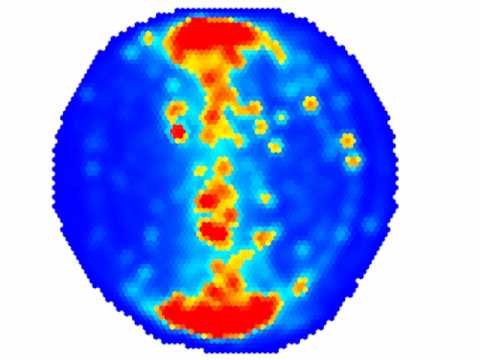
The cuticular melanization phenotype of black flies is rescued by beta-alanine, but beta-alanine production, by aspartate decarboxylation, was reported to be normal in assays of black mutants, and although black/Dgad2 is expressed in the lamina, the first optic ganglion, no electroretinogram (ERG) or other visual defect has been demonstrated in black flies. The purpose of this study was to investigate the black gene, and protein, in black(1) mutants of Drosophila melanogaster in order to resolve the apparent paradox of the black phenotype. Using black(1) mutant flies we show that (1) aspartate decarboxylase activity is significantly reduced in adults and at puparium formation, consistent with defects in cuticular and non-cuticular processes, (2) that the black(1) mutation is a frameshift, and black(1) flies are nulls for the black/DGAD2 protein, and (3) that behavioural experiments using Buridan's paradigm, demonstrate that black responds abnormally to visual cues. No ERG, or target recognition defects can be demonstrated suggesting a problem with higher order visual functions in black mutants.