bjoern.brembs.blog

The blog of neurobiologist Björn Brembs

Search

Main Menu

  • Home
  • About
  • Publications
  • Citations
  • Downloads
  • Resume
  • Interests
  • Contact
  • Archive

Tag Cloud

aPKC behavior brain career chance classical competition conditioning data decision-making Drosophila Elsevier evolution FoxP free will fun funders GlamMagz impact factor infrastructure journal rank journals libraries mandates neurogenetics neuroscience open access open data open science operant peer-review politics postdoc poster publishers publishing retractions SciELO science self-learning SfN spontaneity subscriptions variability video

Categories

  • blogarchives
  • I get email
  • news
  • own data
  • personal
  • random science video
  • researchblogging
  • science
  • science news
  • science politics
  • server
  • Tweetlog
  • Uncategorized

Recent Downloads

Icon
Motor learning in fruit flies: what happens where and how to improve it 341 downloads 0.00 KB
Download
Icon
Investigating innate valence signals in Drosophila: Probing dopaminergic function of PPM2 neurons with optogenetics 110 downloads 0.00 KB
Download
Icon
Rechnungshof und DEAL 212 downloads 0.00 KB
Download
Icon
Are Libraries Violating Procurement Rules? 527 downloads 0.00 KB
Download
Icon
Comments from DFG Neuroscience panel 777 downloads 0.00 KB
Download
Oct01

All agree: there is no need for the publisher’s authorized version

In: science politics • Tags: added value, open access, publishing

Recently, a statement of librarian Rick Anderson has made the rounds:

if I know that a publisher allows green deposit of all articles without embargo, then the likelihood that we’ll maintain a paid subscription drops dramatically

Of course, when you can get the same content for free, why should you pay for it? Apparently, Mr. Anderson does not value the work a publisher has put into their version of a scholarly article enough to pay for it, at least not compared to the author’s copy in the ‘green’ OA repository. Scientists have long asked what this supposed value actually is, so scientists and libraries seem to agree that whatever it is publishers add to a scholarly article, it’s not worth a whole lot. Now, Joe Esposito chimes in and also agrees:

Now you can find an article simply by typing the title or some keywords into Google or some other search mechanism. The Green version of the article appears; there is no need to seek the publisher’s authorized version.

This must be a first: librarians, scientists and publishers all agree, there is no need for the publisher’s authorized version. Then please remind me, why do we need publishers? What is it they are doing, if nobody can put a finger, let alone a price tag on it?

Apparently, not only in academic publishing people are asking similar questions: in this interview, Tucker Max writes that brand-name publishers “are all essentially dead companies walking, milking their backlist cash cows for as long as they can until they disarticulate and die”. The same can be said of legacy academic publishers.


P.S.: I think Stevan Harnad might have two answers: 1. to put their stamp of approval on the paper and 2. without publishers no green OA and without 100% green OA no fair gold OA. WRT 1, I’d argue that there is no evidence of journals differing in the quality of the papers they publish. WRT 2, I’d argue that green OA is not the only way to a modern scholarly infrastructure for text, data and software.

Posted on October 1, 2013 at 10:06 28 Comments
Sep24

Is de Gruyter’s lobby-by-proxy not lobbyism?

In: science politics • Tags: de Gruyter, open access, publishers, publishing, sven fund

Sven Fund, CEO of the German publishing house de Gruyter was recently interviewed by Richard Poynder in his widely read interview series on open access. In the interview, he first avoided answering the question if de Gruyter had ever lobbied against open access. However, in a later correspondence with Richard Poynder, he made unambiguously clear:

“Just for the record: No, De Gruyter has never lobbied against OA.”

Now, this statement seems somewhat surprising, as de Gruyter is a member of the “Börsenverein des Deutschen Buchhandels”, the trade organization of publishers in Germany. This organization states itself that it “accompanies the recent legislative reforms with intense lobbying” (own translation). In other words, de Gruyter may not have a “Vice President of Government Relations” as Elsevier has in Angelika Lex, but it is a paying member of the one organization that does the lobbying. The kind of changes the German publishers would like to see in this legislation is quite obvious: “a right to second publication [i.e., in green open access repositories] carries no benefits and will cost the tax-payer money that is dearly needed in research and elsewhere” (my loose translation).

So, has de Gruyter not obviously paid their own trade organization to lobby against open access? Does Mr. Fund think we cannot enter [börsenverein “open access”] into a search engine and just click on the first two links that come up? This is a prime example of the raised middle finger publishers have been prominently presenting towards academia at large for the last decade. Why should anyone ever deal with organizations like this again?

In a few weeks, on October 10, I’ll be on a panel with Mr. Fund at the Frankfurt Book Fair. We’ll see if these obscene gestures of publishers towards academics become a topic of the discussion.


UPDATE: Since I commented on the interview, Mr. Fund has replied. However, he does not apologize for an oversight when he forgot that his company was a member of an organization (perhaps also other organizations) that actively and intensely lobby against open access. Nor does he indicate that he considers canceling the membership with this organization, nor is there apparently any public record that he even disagrees with the anti-OA lobbying efforts of the Börsenverein. Instead, he writes that we should ask the management of the Börsenverein, whether he disagrees with them or not. Thank you, Mr. Fund for proving my point. I rest my case.

UPDATE 2: Not only does the Börsenverein lobby intensely against open access, on occasion of these lobbying efforts on November 15, 2004, the corporate counsel of the Börsenverein, Christian Sprang, was recorded as saying: “scientists are our natural enemies”. So Fund’s company supports an organization that sees scientists as their enemies.

Posted on September 24, 2013 at 09:10 19 Comments
Sep10

The cost of the rejection-resubmission cycle

In: researchblogging • Tags: citations, journal rank, publishing

ResearchBlogging.orgRejection is one of the unpleasant but inevitable components of life. There are positive components to rejection: they build character, they force you to deal with negativity and sometimes they force you to change your life to avoid future rejections. In science, if your submitted manuscript is rejected by the journal you submitted it to, Calcagno et al. reported that the way the authors change the manuscript has an effect on future citations this manuscript receives. The effect is on the order of ~0.1 citations, tiny.

So much about the benefits. How about the costs? On the whole, peer-review costs an estimated 2.2 billion € (US$ ~2.8b) annually (Research Information Network, 2008), so re-review costs money. How much, I don’t think anybody knows. However, revise, resubmit and re-review costs time as well. Time in which the article might have been cited. Çağan H. Şekercioğlu has now provided us with a rough estimate of the citation cost of the rejection-resubmission cycle (toll access). The gist of his analysis:

On average, each resubmitted paper accumulated 47.4 fewer citations by being published later, with an overall opportunity cost of 190 lost citations.

Compared to these costs, the estimated benefit of ~0.1 citations appears laughable. It is quite likely that Casey Bergman is correct in his assessment of the reason why Calcagno et al. was published in Science:

Nature and Science have a vested interest in making the case that it is in the best interest of scientists to submit their most important work to (their) highly selective journals and risk having it be rejected.  This gives Nature and Science first crack at selecting the (what authors think is their) best science and serves to maintain their hegemony in the scientific publishing marketplace.

Çağan’s analysis shows quite unequivocally: the citation costs clearly outweigh the potential benefits of the rejection-resubmission cycle. I wonder if he submitted it to Nature and Science as well, before publishing it with Current Biology and how much that might have cost him?


Çağan H. Şekercioğlu (2013). Citation opportunity cost of the high impact factor obsession Current Biology, 23 (17) DOI: 10.1016/j.cub.2013.07.065

Posted on September 10, 2013 at 10:39 4 Comments
Sep06

Retiring from science?

In: news • Tags: peer-review, retirement, work hours

I just got the nicest decline to review ever:

After more than 40 years at university with work weeks of 60-70 hours, I retired in 2010 and decided to limit work to 40 hours per week, concentrate on what I really like (=work with my students) and take more time for music and literature. One of the activities I terminated was reviewing research papers and grant proposals. I have reviewed hundreds of papers and grant proposals during my career and feel that I have contributed sufficiently. So please find another reviewer for this paper or research grant proposal.
That’s how you retire from science: you get to work like normal people. Awesome!
Posted on September 6, 2013 at 17:23 1 Comment
Sep05

Special issue on publishing reform?

In: news • Tags: impact factor, journal rank, libraries, open access, open science, publishing

I’ve just been invited to edit a special issue in the MDPI journal ‘publications‘ on a topic I can specify. If I do it, I thought it should revolve around replacing journal rank (i.e., altmetrics, ALM, etc.) and other (technical?) means to transcend a journal-based literature towards a coherent knowledge-dissemination infrastructure that incorporates of course text, but also software and data. Perhaps some topics could be: modern assessment and quality control methodology; open research data management, archiving and integration; management of scientific software; integration of text, software and data; authoring technology. What is the current state of the art and what is most likely to be developed in the near future, what are people working on right now?

However, I’m a little hesitant as I don’t have any experience with the publisher nor the journal. I can see that Heather Morrison has published in there, but that’s about it.

I also wonder as to which authors would be interested in contributing what to such a special issue?

What do you think, should I do it? Do you think anybody would be interesting in reading these articles?  If so, would you be interested in contributing? Then let me know in the comments. Please feel free to circulate this request wherever you see fit. I’m not sure I’m the right guy, but I’d let myself be convinced to try it anyway 🙂


UPDATE: I’ve now read some conflicting information about the publisher. On the one hand, Grant Steen is organizing a special topic on misconduct in the same journal, on the other hand, there are a number of truly outrageous stories for some papers in other journals. I guess one can see this as the usual mix any publisher is offering? 🙂 I mean, let the publisher without any outrageously insane papers cast the first stone 🙂

UPDTAE2: Awesome, people are sending me all kinds of information. I just learned of another cool special issue in this journal on open access (via Heinz Pampel). Two authors have so far also volunteered to contribute in case it happens.

Posted on September 5, 2013 at 12:41 Comments Off on Special issue on publishing reform?
Sep05

Video: Free will as an evolved brain function

In: random science video • Tags: Drosophila, free will, leech, lostlectures, spontaneity, video

It is one of these rare events when I can post a video of one of my own talks. This one was in Berlin earlier this year, organized by The Lost Lectures in a very unusual venue, the Stattbad Wedding:

I’m planning to work more closely together with our computing center here to be able to record at least the lectures I give in English here at the university. So maybe there will be some more videos here, soon.

Posted on September 5, 2013 at 12:21 Comments Off on Video: Free will as an evolved brain function
Sep03

The cost of knowledge – in 2003?

In: blogarchives • Tags: englund, impact factor, journal rank, publishing

During my flyfishing vacation last year, pretty much nothing was happening on this blog. Now that I’ve migrated the blog to WordPress, I can actually schedule posts to appear when in fact I’m not even at the computer. I’m using this functionality to re-blog a few posts from the archives during the month of august while I’m away. This post is from March 29, 2012:

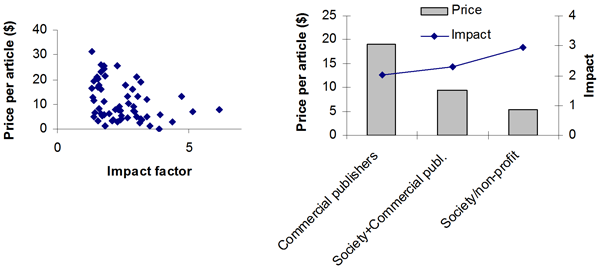
My former supervisor (in 1993!) Göran Englund may not be a Field’s Medalist (he’s an ecologist!), but already in 2003, he saw corporate publishers behaving in the same way which gave rise to the Elsevier boycott this year, almost ten years later: extorting university libraries with overpriced journals. Back then, he calculated a “blacklist” of journals, ranked by subscription price per article in his field of ecology. Interestingly, the bottom of this list is populated by the high-ranking society and non-profit journals, while the expensive spots are occupied by the lower-ranking, overpriced journals of corporate publishers. Unfortunately, he never published his analysis, but after a phone-conversation initiated for an entirely different reason today, he sent me his blacklist. Here’s what he said about it nine years ago:

The crisis in academic publishing

  • The market is dysfunctional – there is no mechanism regulating journal prices.
  • Prices of commercially published journals often increase by 10-20% per year
  • In ecology the average prices of commercially published journals are four times higher than those published by non-profit organizations.
  • Libraries cancel subscriptions – Our research is not efficiently disseminated.
  • We pay more and get less.

What can be done?

  • Examine the pricing policy of any commercially published journal before you contribute as an author, reviewer, or editor. If possible, refuse to do business with publishers who practice “predatory pricing.”
  • Submit papers to journals that have reasonable prices.
  • As a member of a scholarly association, encourage the creation of competitors to expensive commercial journals.
  • Inform your colleagues.

More information on the crisis at: www.createchange.org.

The document also contains one small figure at the end that I thought I should paste in here:

eco_price.png

I’ve converted the entire document to PDF for everyone to enjoy. It almost goes without saying: after 2003, Göran never published, reviewed or edited for any of the commercial journals any more.

Posted on September 3, 2013 at 16:45 Comments Off on The cost of knowledge – in 2003?
Sep03

How to recharge in Sweden

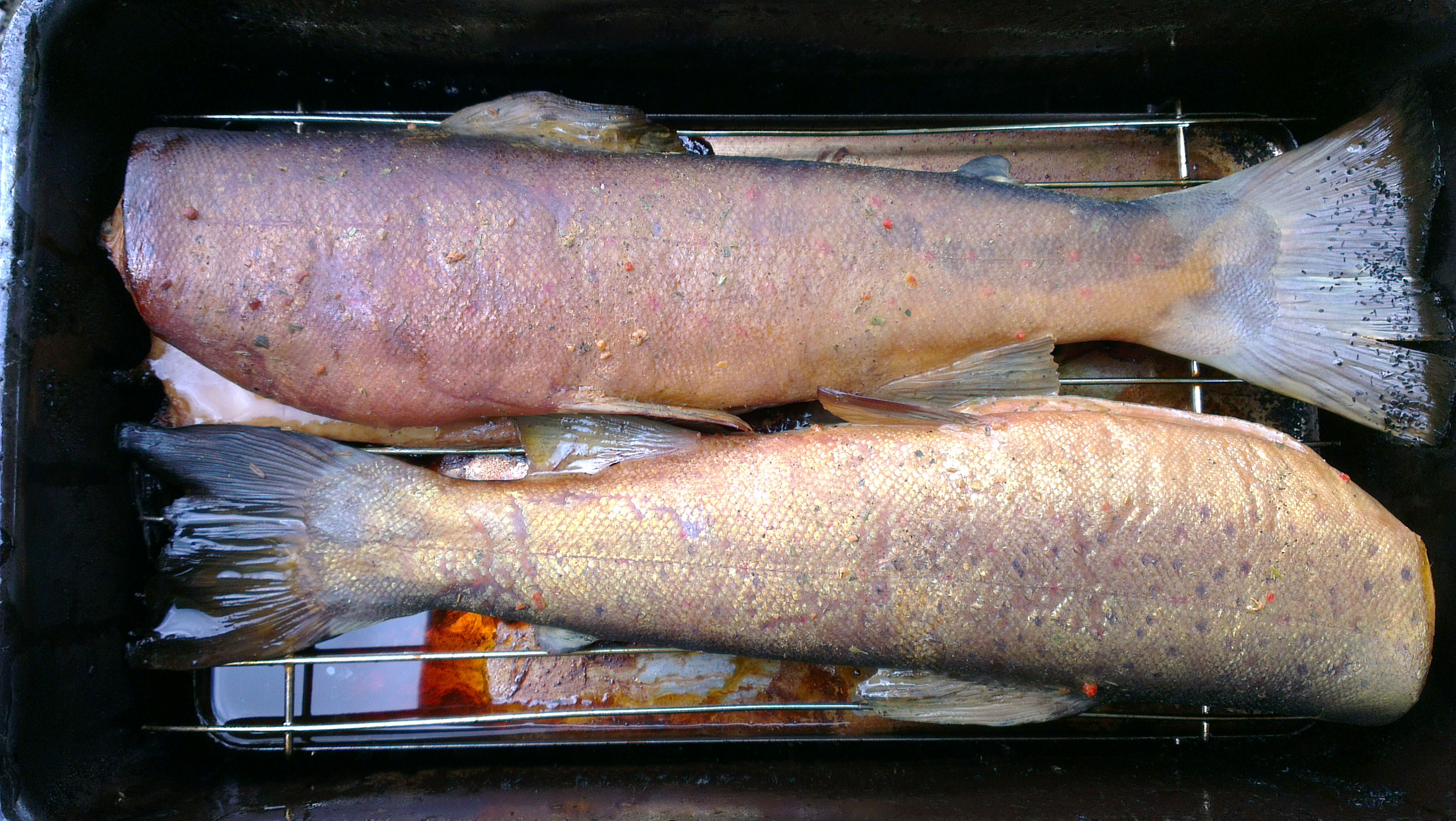
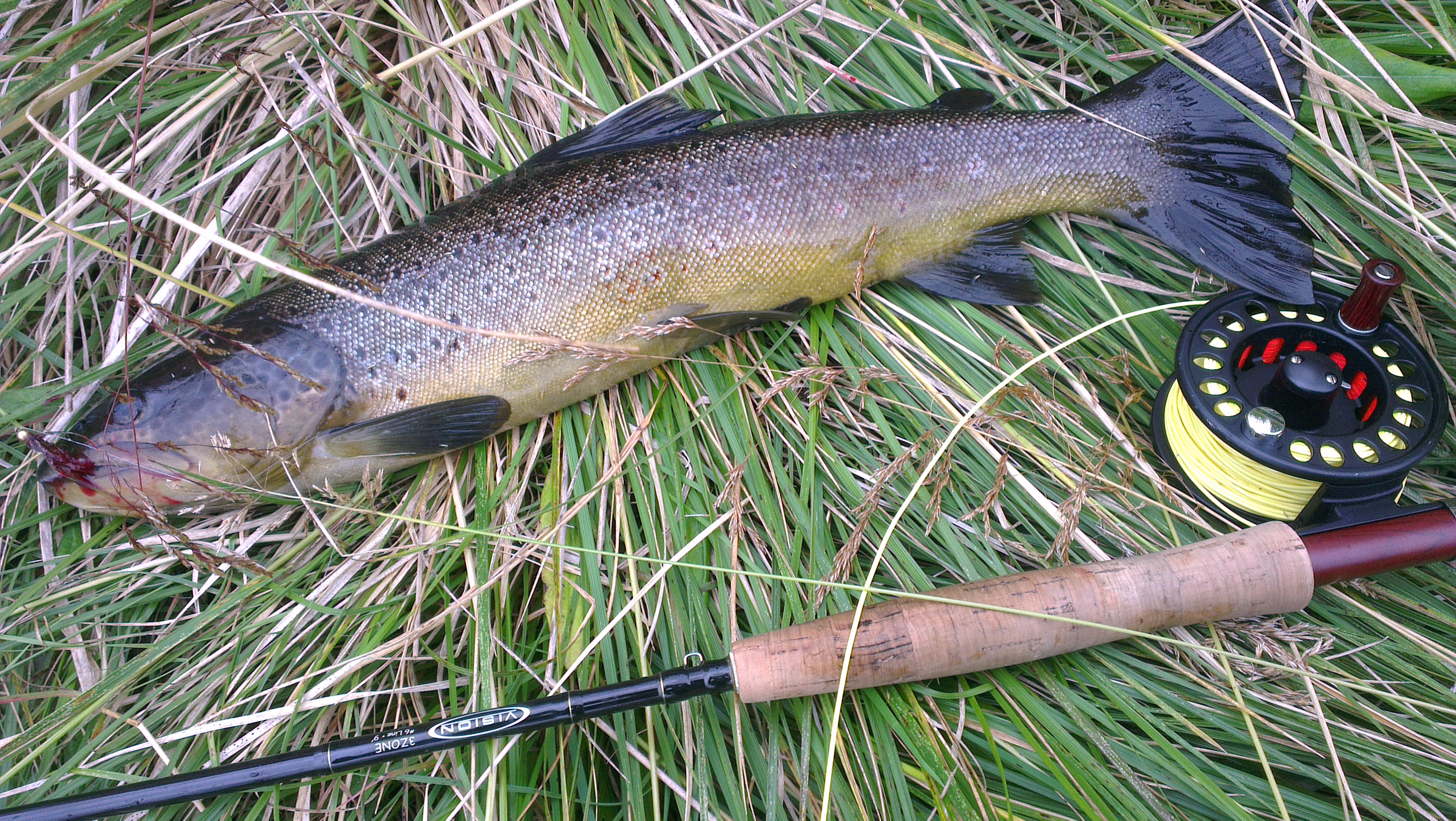
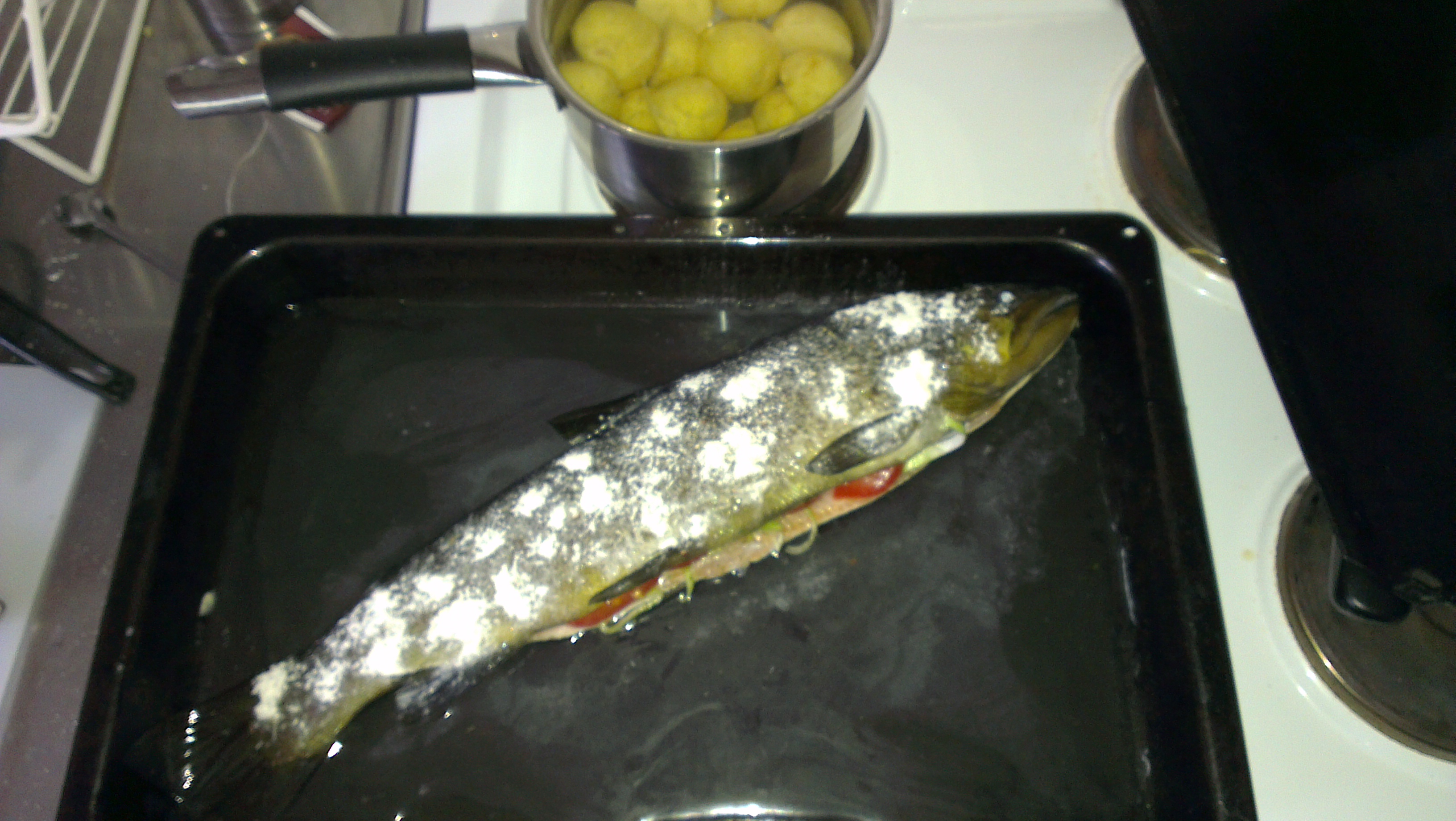
In: personal • Tags: blueberries, flyfishing, lake, mushrooms, river, sweden, trout

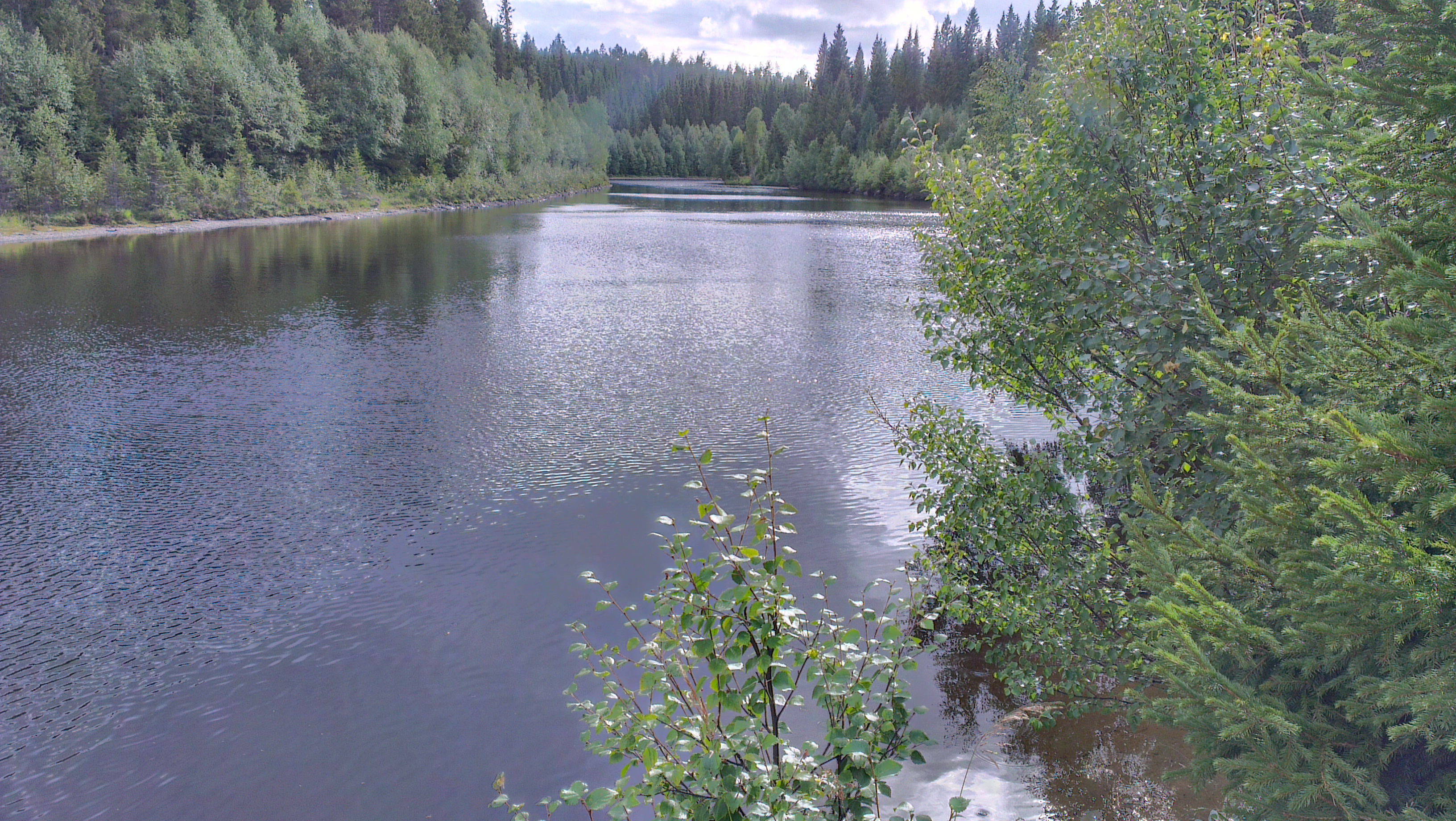
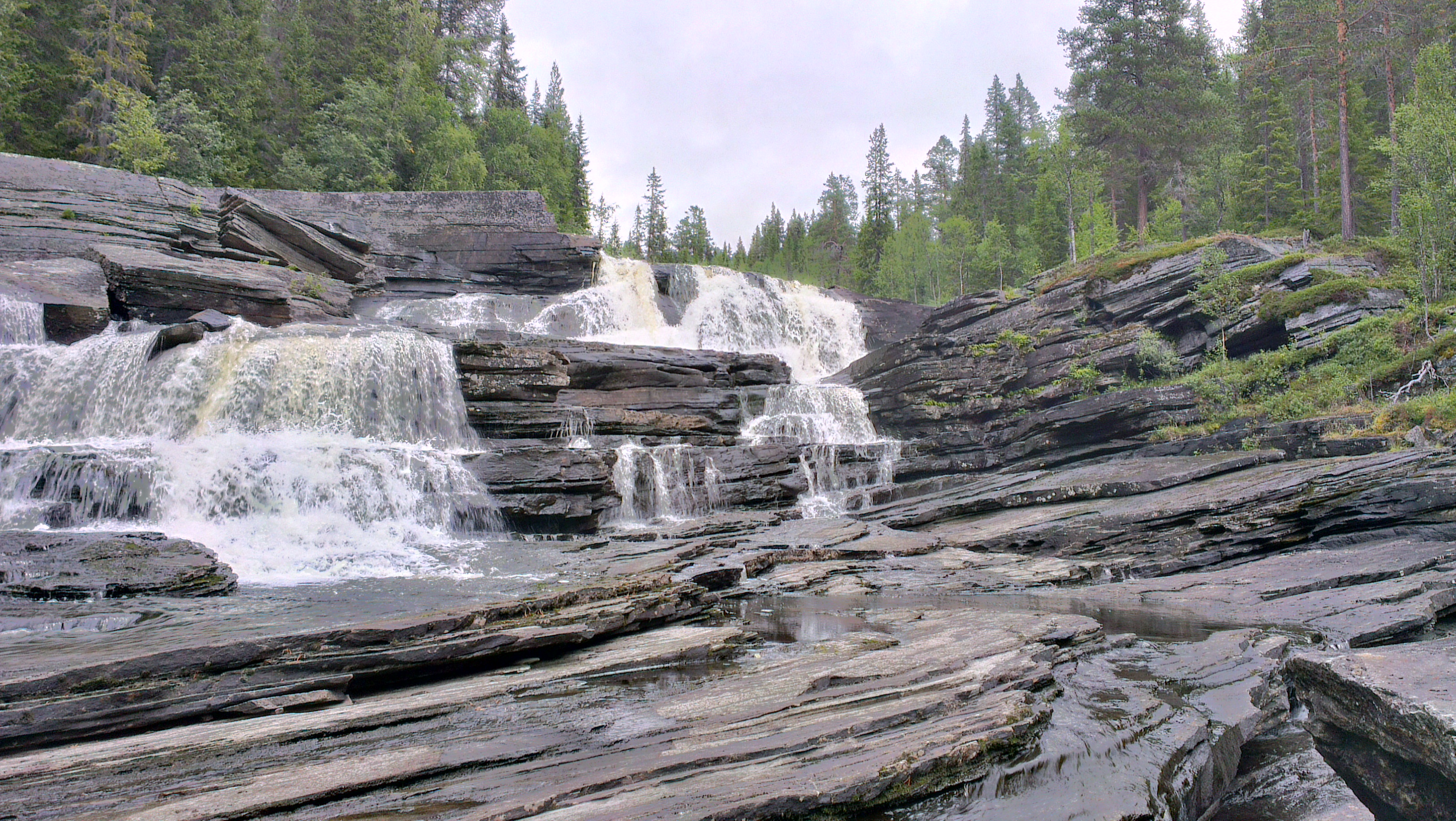
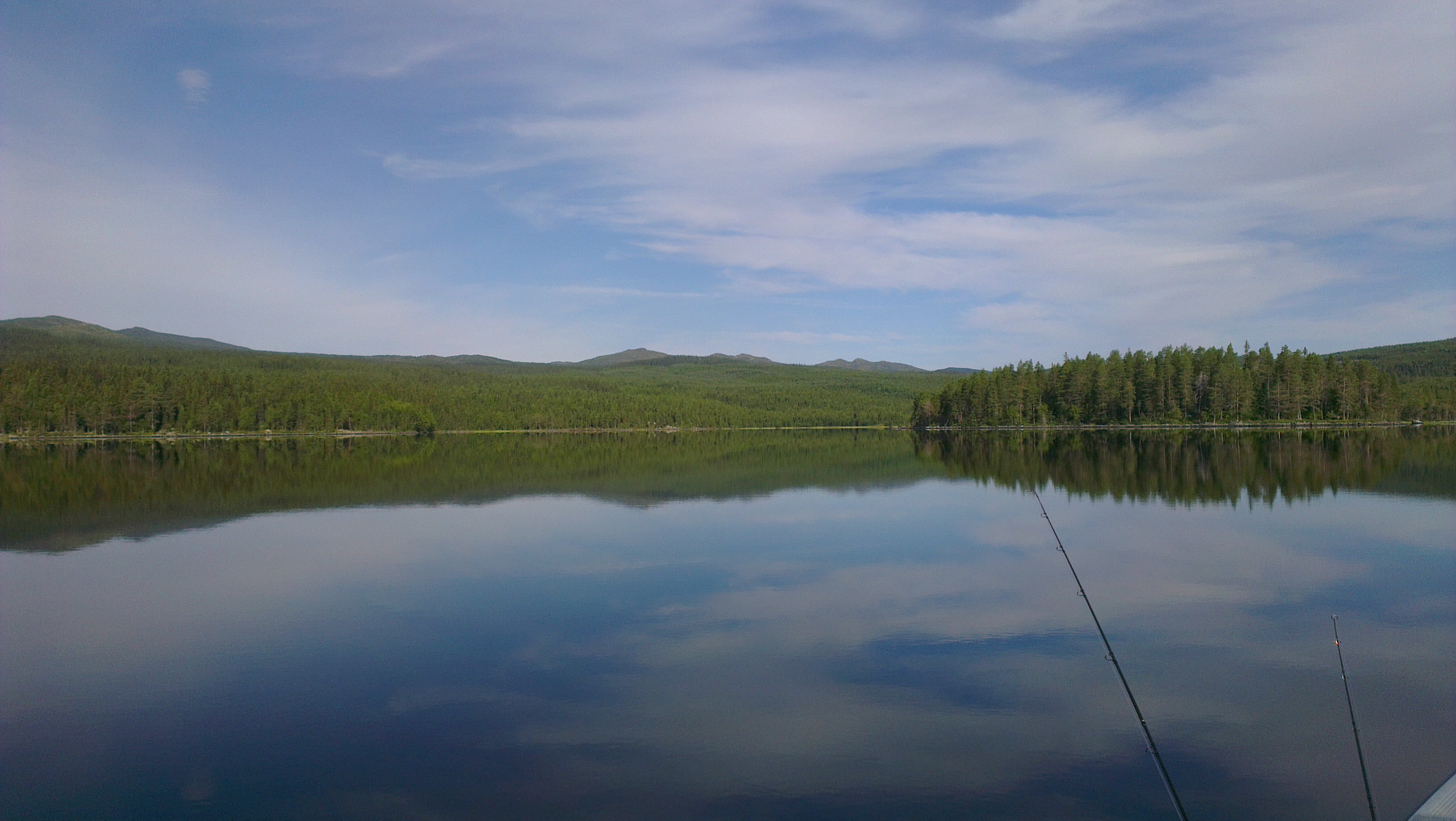
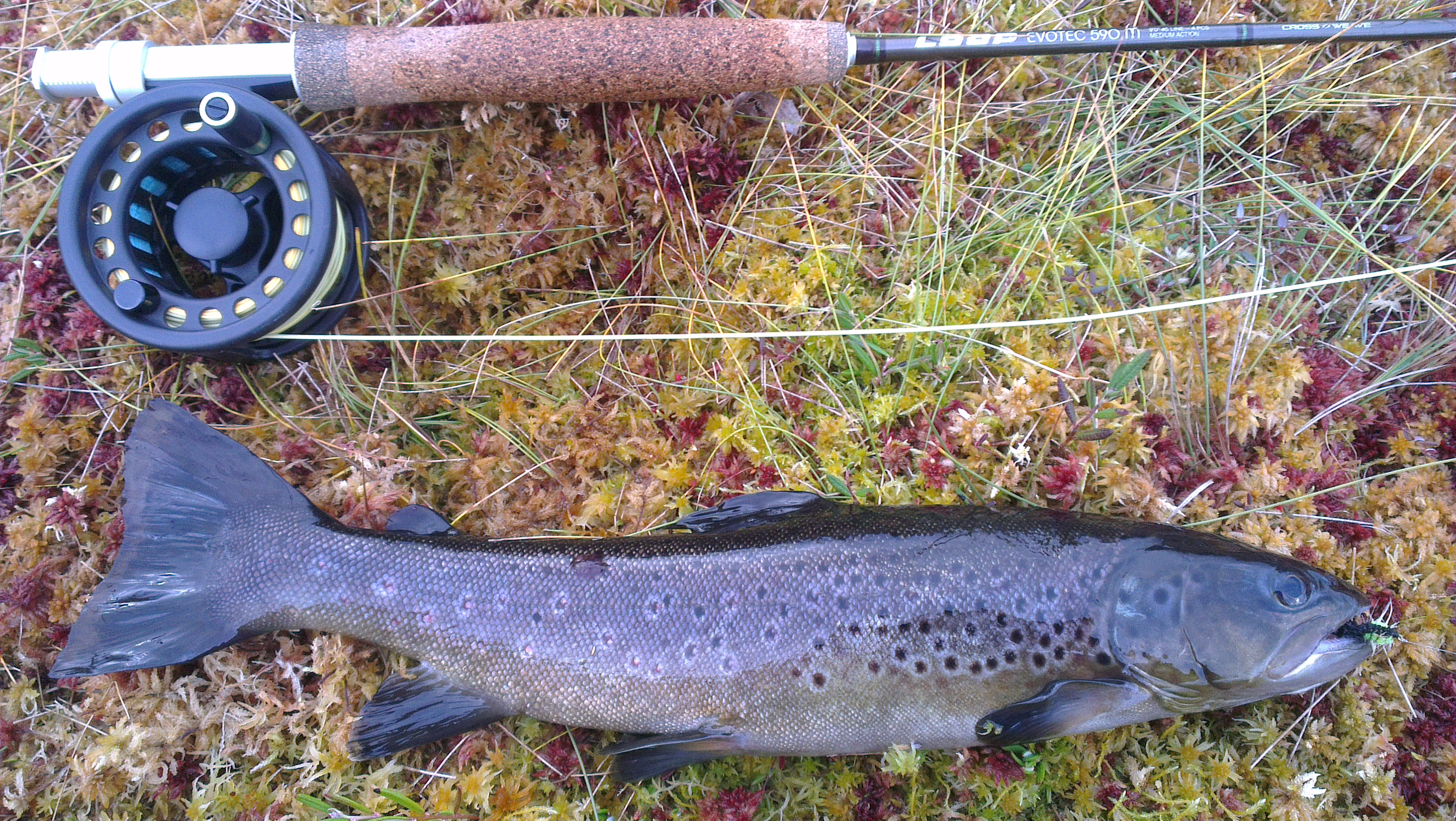
Since the birth of our daughter, we spend our summers in Sweden, just like I used to, when I was little. This not only allows her to get more practice in Swedish then she gets talking with just me or her grandmother, but we also get to really recharge our batteries in the fabulous wilderness up there. Here are a few of the components needed for such an efficient charger:

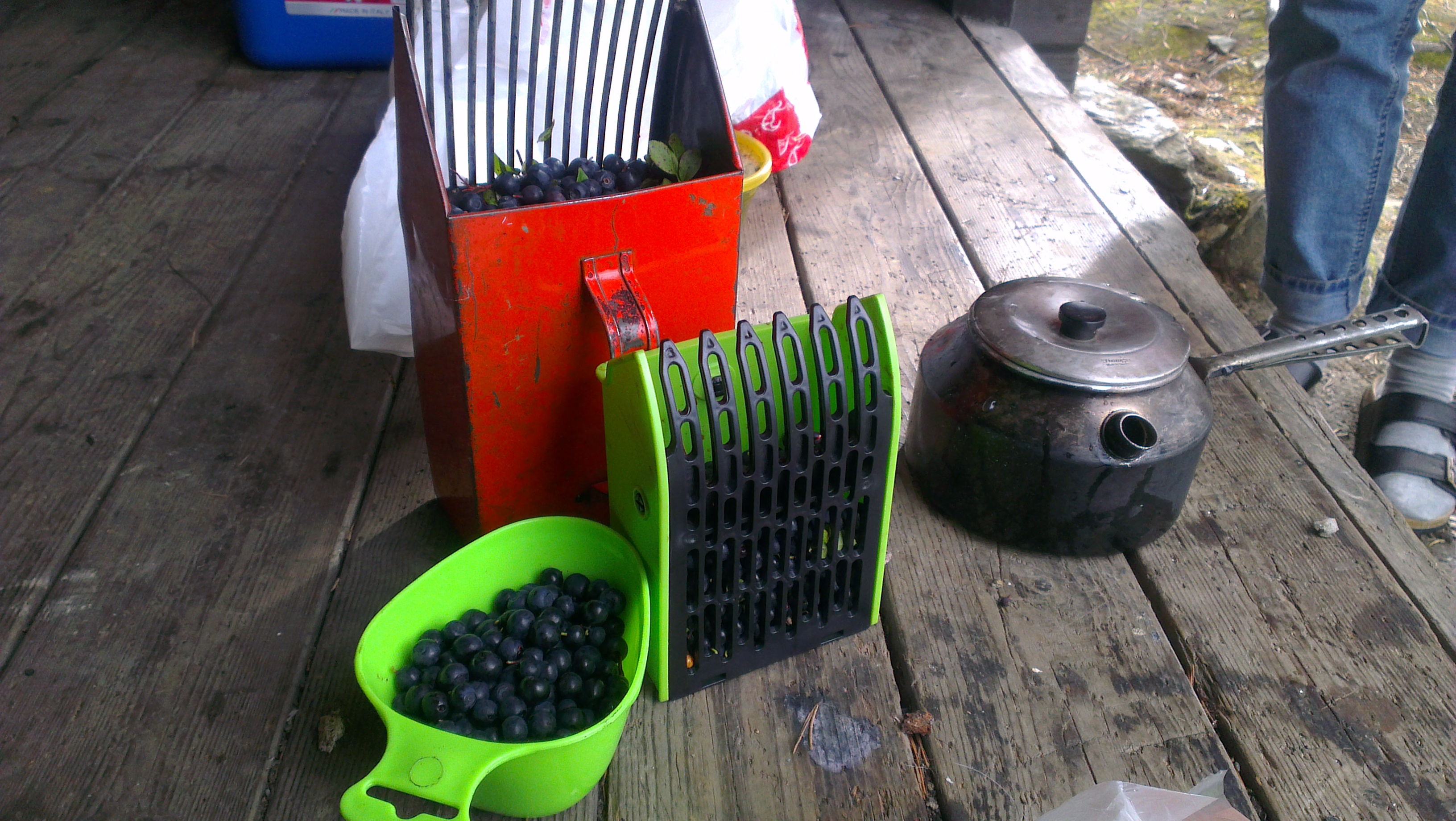
For instance, you can just step out and collect some of these

2013-08-19 17.00.57

Until you have enough of them, maybe like this

2013-08-21 17.19.22

Then you get all the leaves and stuff out

2013-08-21 18.12.00

and put them all into a box

2013-08-22 08.37.03

Then, every morning, you can put some of those into your Swedish filmjölk before you add your cereal:

2013-08-22 08.44.34

Or, of course, you can bake a blueberry pie (which was eaten before I could take a picture of it).

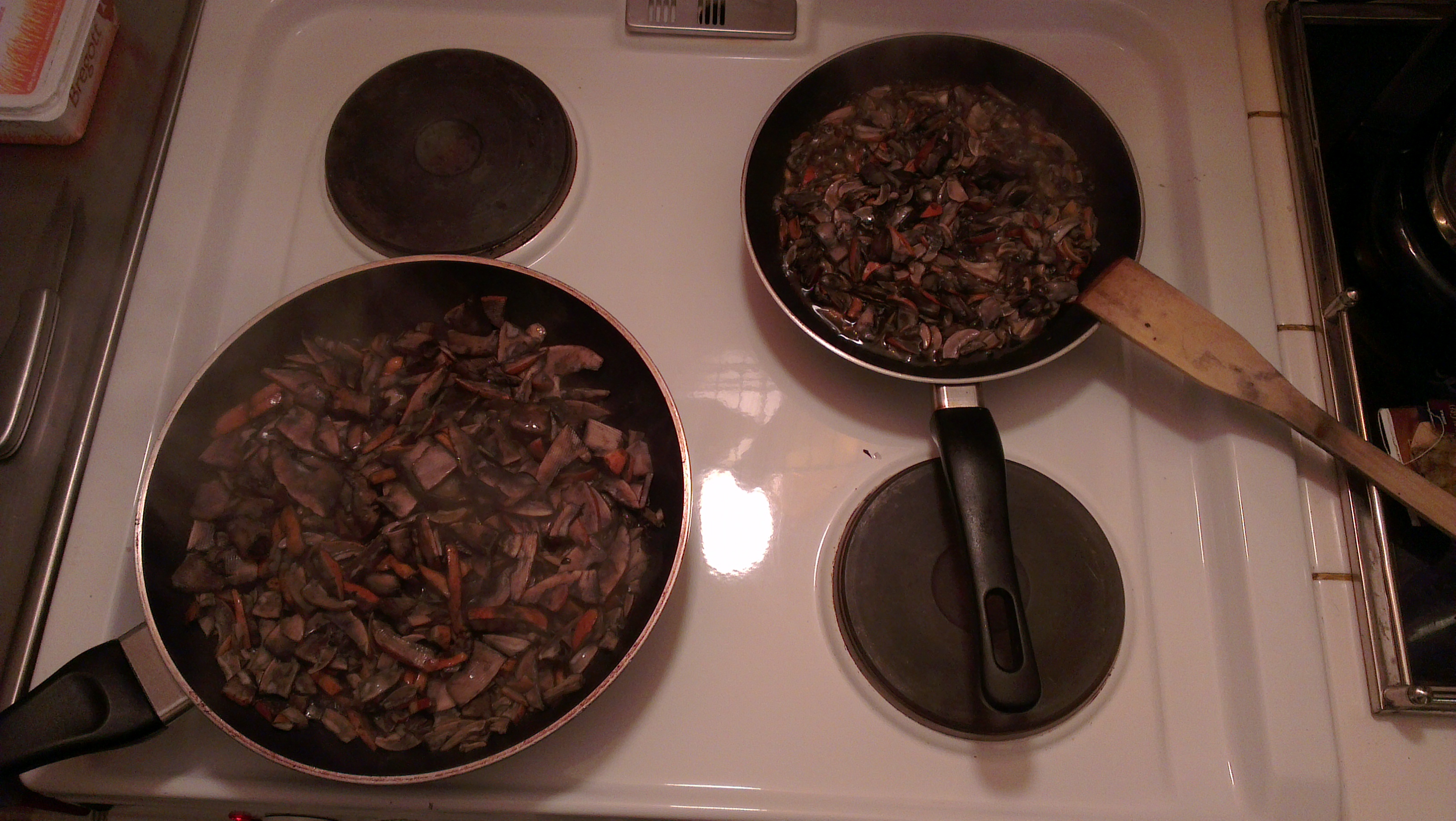
As the wilderness begins right at your doorstep (at least where we were), you can take a few steps and discover some of these

2013-08-10 19.07.16

and then fry them right away:

2013-08-17 22.34.59

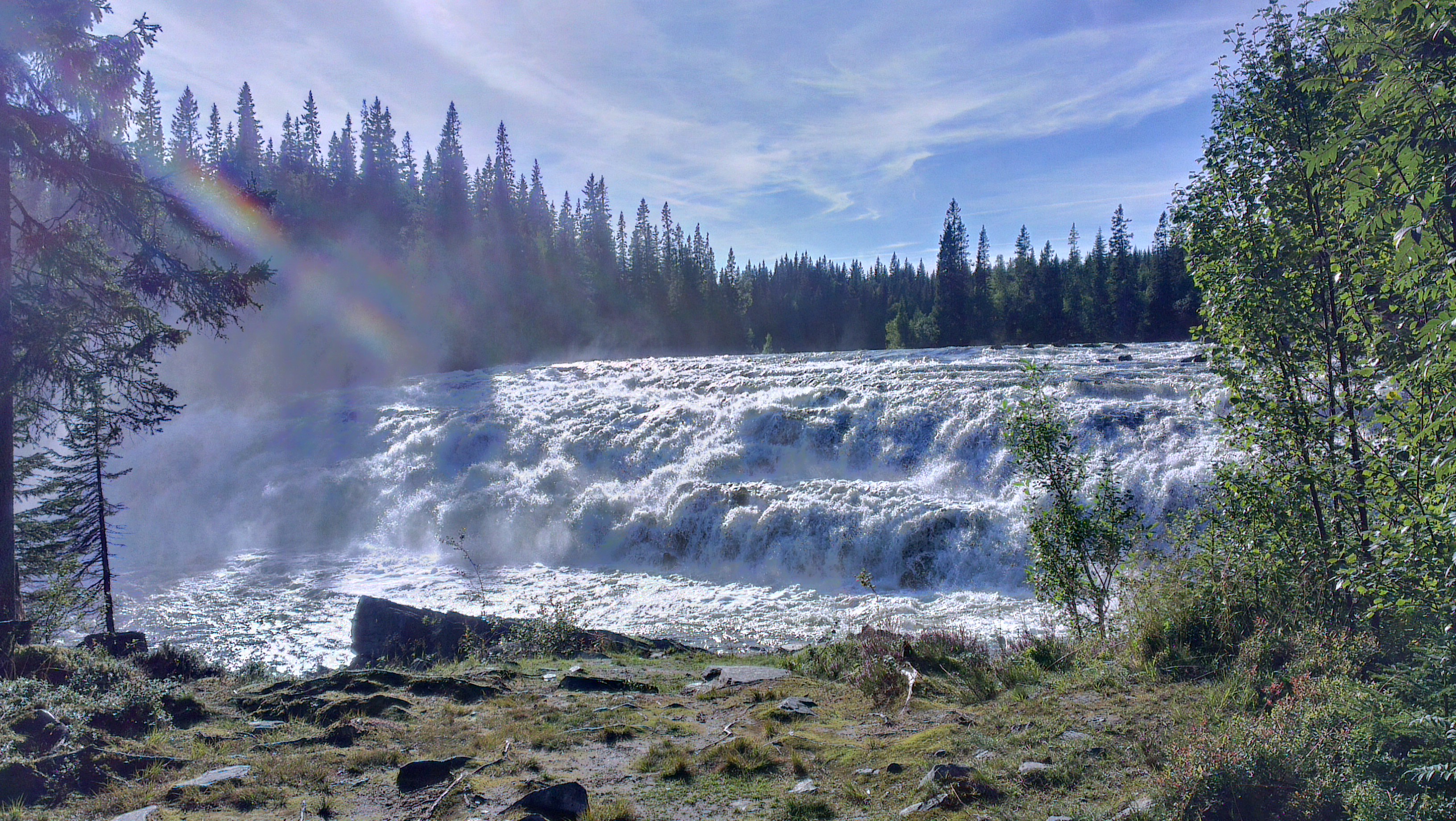
Another thing you can do is go hiking to beautiful places such as these

2013-08-23 17.40.21

2013-08-23 17.21.16

2013-08-20 16.09.24

2013-08-16 17.34.03

Or you can take a boat and enjoy some of the many lakes there

2013-08-16 09.32.26

As you can see, there’s plenty of water, so you can do some behavioral experiments using mockups mimicking insects and prey-fish and perhaps trigger the predatory response in some of these

2013-08-22 18.10.50

which one can easily turn into this

2013-08-22 11.58.50

or some larger specimens such as this one

2013-08-18 16.02.50

which can quickly evolve in to these different forms

2013-08-19 17.47.10

2013-08-19 18.32.29

2013-08-19 19.04.04

I hope you can image how sad it is to leave this place, but also how rested and recharged we all feel now.

Posted on September 3, 2013 at 10:16 1 Comment
Sep01

Unquestioning dogma: the gatekeepers of science

In: blogarchives • Tags: GlamMagz, publishing, reputation

During my flyfishing vacation last year, pretty much nothing was happening on this blog. Now that I’ve migrated the blog to WordPress, I can actually schedule posts to appear when in fact I’m not even at the computer. I’m using this functionality to re-blog a few posts from the archives during the month of august while I’m away. This post is from December 6, 2010:

This morning my friend Ramy reminded us of the recent spats over two PLoS One publications (Darwinius, Red Sea) and how they were used to question the ‘reputation’ of PLoS One as a journal. Of course, it is about as meaningful to talk about the reputation of a journal as it is to talk about the reputation of the cover of a book. Journals are containers which say very little about their content. But on to the really relevant point:

Specifically, Ramy pointed out how the current spat about a publication in the journal Science on a purportedly arsenic-based lifeform (see, e.g., Pharyngula and especially Rosie Redfield) didn’t reflect on Science at all, despite the basically identical story-line of media hype before publication followed by more sober commentary from the scientific community after publication. Why is PLoS One criticized in the first two cases, but nobody questions Science in this (or the numerous other) cases? Clearly, the two GlamMagz Nature and Science both have their share of in some cases pretty embarrassing blunders. My personal favorite is a paper in Nature about fly thermosensation, easily the worst conducted study in this field in quite a few years. Yet, nobody questions the ‘reputation’ of Nature. Also in this case, none of the critical commenters questions the legitimacy of the gatekeeper function that the GlamMagz are so happy to tout.

Let’s be honest about it: there’s no journal without fault. Everyone makes mistakes. Journals are no more gatekeepers than the persons working there. Any perceived hierarchy among journals is merely that: perceived. A perception caused by visibility, historical baggage, group-think and circular reasoning.

It doesn’t matter where something is published – what matters is what is being published. Given the obscene subscription rates some of these journals charge, if anything, they should be held to a higher standard and their ‘reputation’ (i.e., their justification for charging these outrageous subscription fees!) being constantly questioned, rather than this unquestioning dogma that anything published there must be relevant, because it was published there. If anything, every single contested paper should be used to question the level of subscription fees raised by these journals.

In fact, every retraction should lead to an immediate reduction in subscription fees for the journal in which the retracted paper was published, because the journal failed to serve its gatekeeper purpose. If the journals justify, as they do, their obscene subscription extortion with their outstanding peer-review process, their price needs to drop every time that process fails. Given the hyper-inflation of retractions, we should see a precipitous drop in subscription charges immediately, should such a policy be enforced.

UPDATE: Almost simultaneously, pretty much along the same lines is Egon’s post on trust in science.


Wolfe-Simon, F., Blum, J., Kulp, T., Gordon, G., Hoeft, S., Pett-Ridge, J., Stolz, J., Webb, S., Weber, P., Davies, P., Anbar, A., & Oremland, R. (2010). A Bacterium That Can Grow by Using Arsenic Instead of Phosphorus Science DOI: 10.1126/science.1197258

Posted on September 1, 2013 at 19:39 2 Comments
Aug30

The danger of universal gold open access

In: blogarchives • Tags: libraries, open access, publishing

During my flyfishing vacation last year, pretty much nothing was happening on this blog. Now that I’ve migrated the blog to WordPress, I can actually schedule posts to appear when in fact I’m not even at the computer. I’m using this functionality to re-blog a few posts from the archives during the month of august while I’m away. This post is from November 7, 2012:

As a strong supporter of any open access initiative over the last almost ten years, there is now a looming threat that the situation may deteriorate beyond the abysmal state scholarly publishing is in right now.

Yes, you read that right: it can get worse than it is today.

What would be worse? Universal gold open access – that is, every publisher charges the authors what they want for making the articles publicly accessible. I’ve been privately warning of this danger for some time, and now an email and a blog post by Ross Mounce reminded me that it is about time to make my lingering fear a little more public. He wrote:

Outrageous press release from Nature Publishing Group today.

They’re explicitly charging more to authors who want CC BY Gold OA, relative to more restrictive licenses such as CC BY-NC-SA. Here’s my quick take on it:https://rossmounce.co.uk/2012/11/07/gold-oa-pricewatch

More money, for absolutely no extra work.

How is that different from what these publishers have been doing all these years and still are doing today?

What is so surprising about charging for nothing? That’s been the modus operandi of publishers since the advent of the internet.

Why should NPG not charge, say, 20k USD for an OA article in Nature, if they chose to do so?

If people are willing to pay more than 230k ($58,600 a year) for a Yale degree or over 250k ($62,772 a year) just to have “Harvard” on their diplomas, why wouldn’t they be willing to shell out a meager 20k for a paper that might give them tenure? That’s just a drop in the bucket, pocket cash.

I’d even be willing to bet that the hard limit for gold OA luxury segment publishing will be closer to 50k or even higher as multiple authors can share the cost. Without regulation, publishers can charge whatever the market is willing and able to pay. If a Nature paper is required, people will pay what it takes.

If libraries let themselves be extorted by publishers out of fear they’ll get yelled at by their faculty, surely scientists will let themselves get extorted by publishers out of fear they won’t be able to put food on the table nor pay the rent without the next grant/position.

Who seriously believes that only because they now make some articles OA, publishers would all of a sudden become non-profit organisations?

I don’t see anything extraordinary in this press release at all, completely normal and very much expected. In fact, the price difference is actually quite small.

I really have no idea what’s supposed to be so outrageous about this?

Obviously, the alternative to gold OA cannot be a subscription model. I’ve written repeatedly that I believe a rational solution would be to have libraries archive and make accessible the fruits of our labor: publications, data and software. There can be a thriving marketplace of services around these academic crown jewels, but the booty stays in-house.

At the very least, if there ever should be universal gold OA, the market needs to be heavily regulated with drastic price caps below current author processing charges, or the situation will be worse than today: today, you have to cozy up with professional editors to get published in ‘luxury segment’ journals. In a universal OA world, you would also have to be rich. This may be better for the public in the short term, a they then would at least be able to access all the research. In the long term, however, if science suffers, so will eventually the public.

Every market I know has a luxury segment. I’ll gladly rest my fears if someone shows me a market without such a segment and how it is similar to a universal OA academic publishing market. Until then, I’ll be working towards getting rid of publishers and journal rank.

Posted on August 30, 2013 at 19:37 6 Comments
  • Page 17 of 22
  • « First
  • «
  • 15
  • 16
  • 17
  • 18
  • 19
  • »
  • Last »

Linking back to brembs.net


My lab:
lab.png
  • Popular
  • Comments
  • Latest
  • Today Week Month All
  • Elsevier now officially a "predatory" publisher (24,242 views)
  • Sci-Hub as necessary, effective civil disobedience (23,077 views)
  • Even without retractions, 'top' journals publish the least reliable science (15,545 views)
  • Booming university administrations (12,930 views)
  • What should a modern scientific infrastructure look like? (11,496 views)
  • After decades of debating the “scientific publishing crisis”, the time has come to decide.
  • Retraction data are still useless – almost
  • Procurement Before Prestige
  • Motor learning mechanisms at #SfN25
  • Edgewise
  • Today Week Month All
  • Booming university administrations
  • Even without retractions, 'top' journals publish the least reliable science
  • What should a modern scientific infrastructure look like?
  • Science Magazine rejects data, publishes anecdote
  • Recursive fury: Resigning from Frontiers
Ajax spinner

Networking

Brembs on MastodoORCID GScholar GitHub researchgate

View Bjoern Brembs

The Drosophila Flight Simulator 2.0

Video von YouTube laden. Dabei können personenbezogene Daten an Drittanbieter übermittelt werden. Hinweise zum Datenschutz

login

  • Register
  • Recover password

Creative Commons License bjoern.brembs.blog by Björn Brembs is licensed under a Creative Commons Attribution 3.0 Unported License. | theme modified from Easel | Subscribe: RSS | Back to Top ↑

[ Placeholder content for popup link ] WordPress Download Manager - Best Download Management Plugin

bjoern.brembs.blog
Proudly powered by WordPress Theme: brembs (modified from Easel).